Planet NutshellPlanet NutshellPlanet NutshellPlanet Nutshell
  • Work
  • About
  • Contact
  • Stories
  • More…
    • FAQ
    • Internships
    • For Teachers
      • Artsville
      • Climate Science
      • Early Learning Series
      • Fun with Physics
      • Math Shorts
      • NetSafe
      • Utah Futures
      • Yana & Egbert
    • Terms & Conditions
  • Work
  • About
  • Contact
  • Stories
  • More…
    • FAQ
    • Internships
    • For Teachers
      • Artsville
      • Climate Science
      • Early Learning Series
      • Fun with Physics
      • Math Shorts
      • NetSafe
      • Utah Futures
      • Yana & Egbert
    • Terms & Conditions
December 2, 2019

Meet Sam Berliner, Our New Producer

  • Posted By : Joshua Gunn/
  • 0 comments /
  • Under : Uncategorized
Sam says hi!

We’re delighted to have a new member of the team! Sam Berliner (he/they) comes to us from the wilds of the Pacific Northwest where he worked at Three Dollar Bill Cinema and directed Translations: the Seattle Transgender Film Festival from 2013 to 2019.

Sam is a filmmaker and animator best known for his engaging and accessible films about gender nonconformity. His award-winning short films, Dating Sucks: A Genderqueer Misadventure, Genderbusters, Perception and Float have screened at over 300 film festivals around the world and are distributed by the Canadian Filmmakers Distribution Centre. He is currently in pre-production on Episode 2 of the Dating Sucks webseries. Sam leads workshops and gives presentations about gender at various organizations and schools. He holds an MFA in Cinema from San Francisco State University and a BA from Smith College.

For all things Sam, head on over to www.donutfilms.org.


November 20, 2019

How to Make Complicated Things Simple

  • Posted By : Joshua Gunn/
  • 0 comments /
  • Under : Uncategorized

Quite often, our clients, particularly those in the biotech and health fields, come to us with a complex product, process or service that they want to explain. They know all the ins and outs, all the intricacies, but what they need help with is boiling it all down. They need to explain something they’ve been working on for two, three, ten years now in the span of a minute or two. After 12 years of serving life sciences clients, the Planet Nutshell team have some tricks that help us to streamline any story, no matter how complex.

Let’s say a biotechnology startup such as, oh, I dunno, IDbyDNA has an impressive genetic test that could help revolutionize the way communicable diseases are treated. The test relies on something that sounds fancy and intimidating: metagenomics. 

Here’s how we’d attack this challenge:

Step 1: Know Your Audience (and Yourself)

This is the most important step, as so much depends on who’s on the receiving end of your explanation. Possible audiences might include potential investors, journalists, colleagues, employees, and the classic catch-all category known as “everyday people.” 

The complexity of your explanation will naturally change depending on the audience, but the thing is, your understanding of the topic should not. That means that in order to explain metagenomics at the most elementary level (the everyday people level), you (the explainer) must understand metagenomics really well because explaining things in simple terms requires one to make connections and analogies that further understanding, rather than just imparting information.  

Step 2: Stay Structured

Let’s say we’re going after the most difficult audience — everyday people. The way we structure our narrative about metagenomics is crucial to imparting meaning and understanding. Quite often, I adopt a framework that roughly maps to the classic three-part story structure — a beginning, middle, and end that clearly identify the why, what and how. In my experience people can easily hold ideas in sets of threes. After that, things can start to go a bit hazy. 

With the rule of threes in mind, here’s how I’d structure our little story about metagenomics: 

  • Beginning: There’s a problem. It’s difficult for doctors to figure out what the heck is making people sick. This new thing called metagenomics can help. That’s because DNA is a fantastically accurate way of identifying the things that make us sick. 
  • Middle: There have been a lot of approaches to identifying bugs before now. They’re kind of crappy. Here’s how and why metagenomics is better.
  • End: Boil everything down. What does it mean for the lives of patients?

As you can see, much of explanation is about placing a topic (metagenomics) in context with other things the audience likely knows a little bit about (viruses, bacteria), to show how the new thing is special and worth caring about. 

I’ve marked up the script for our recent metagenomics video to show the three-part structure in more detail.

Step 3: Appeal to The Feels

Our emotions are inextricably linked with our thoughts. That’s why people are most likely to understand something if they also feel something. There are many ways to make explanations appeal to the head and the heart, but it’s probably best to explain how it’s done by example. 

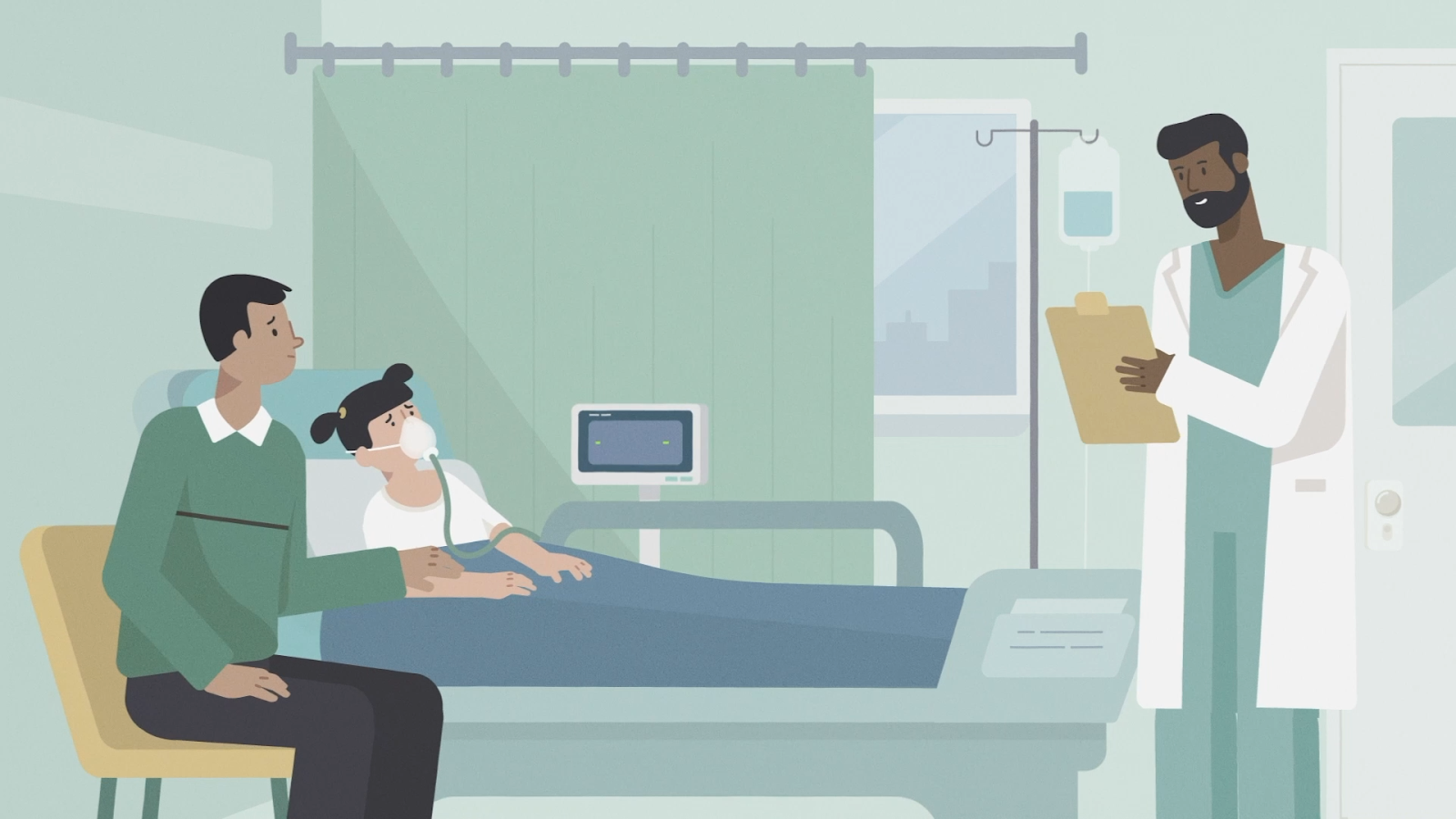
To really drive home the emotional stakes of our explanation, Jen, our Art Director, wisely decided to go with a scene that shows a father and his hospitalized daughter. Here’s how the frame ended up looking in the final video: 

Creating emotional stakes is often a crucial element.

Step 4: Get Metaphorical

Meanwhile, explanation can often be enhanced with metaphor (okay, it’s really usually simile, but that’s just me being a nerd). When you use a metaphor, you’re essentially saying “Hey, viewer, this thing over here that you’re really familiar with? Well it’s actually a lot like this really complex thing.” 

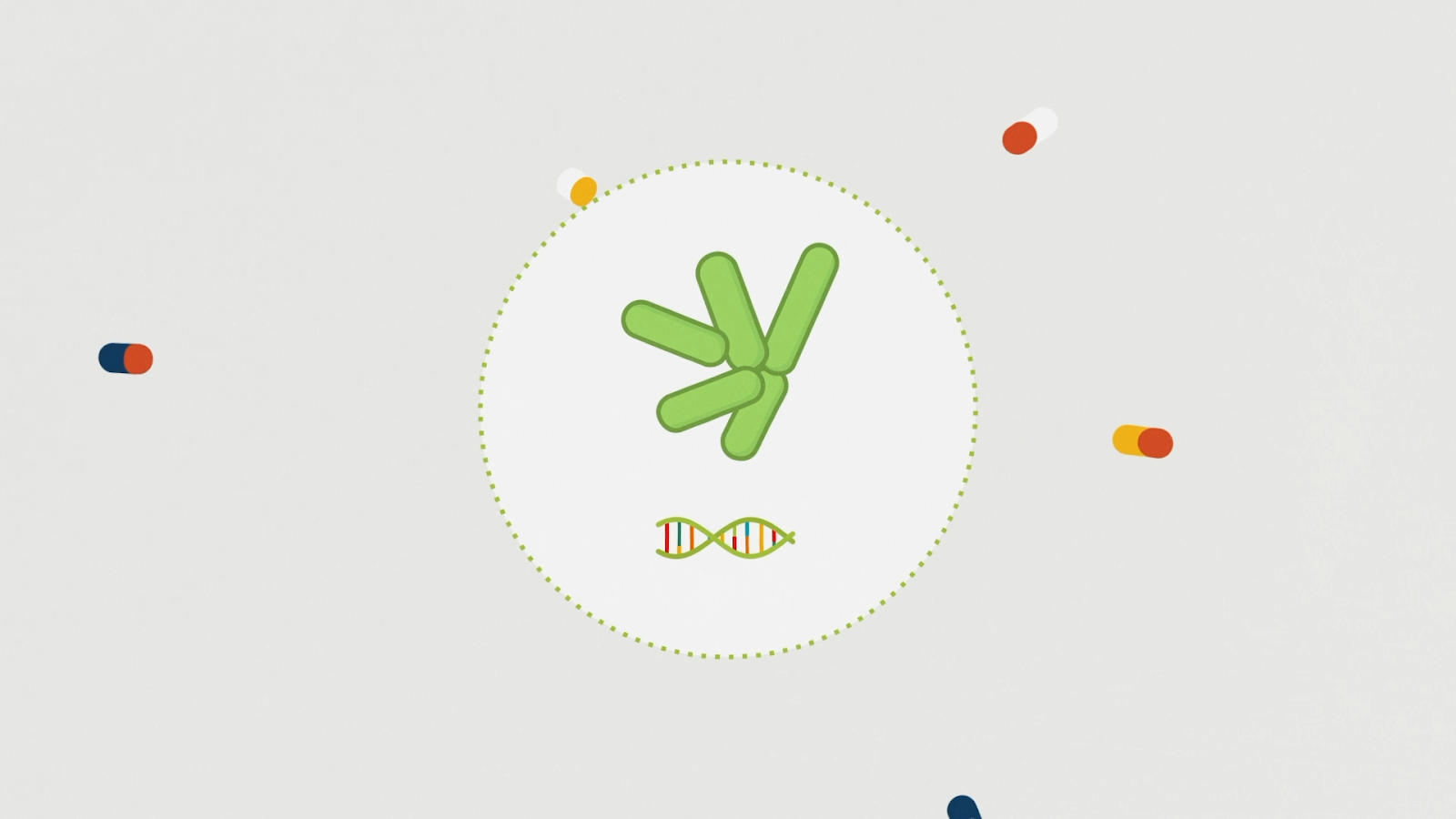
Metaphors can be subtle, and they need not be written into the script. Visual metaphors are extremely powerful, as well. For example, in our metagenomics video Jen proposed the well-known image of a force field to show how bugs become resistant to certain treatments. 

Antibiotic Resistance, the video game!

Using all of these principles and more, we ended up with a tidy, clear 2-minute video about metagenomics for our friends at IDbyDNA. Check it out and let me know if you have any thoughts about it, or the art of effective explanations in general. 

Video: What is Metagenomics?

Want to learn more about how to explain complicated things in simple, compelling ways? Check out Randall Monroe of xkcd’s Thing Explainer, which identifies 1000 of the most-used words in English and then uses them to explain some of the most complex things in everyday life. I also recommend The Back of the Napkin, Dan Roam’s popular guide to visual thinking and explanation, and Lee Lefever’s The Art of Explanation.


October 16, 2019

The Nutshellian Guide to Animation Internships: How to Get One & Get the Most Out of One

  • Posted By : Joshua Gunn/
  • 0 comments /
  • Under : Uncategorized
From “Maplewood” by Planet Nutshell’s Fall 2019 intern, David Oneacre

The past few months have found us knee-deep in fall and winter internship applications, and the process revealed a few things. 1) There are a ton of talented young animators out there. 2) Our resident animator Mollie Davis is basically an internship expert. Seriously, she’s had so many awesome internships, she has trouble remembering them all — “I had 4. Oh no, wait! I interned there, too! I had 5!”

Given these two discoveries, we thought we’d share some of Mollie’s best tips for aspiring animators. She not only has great advice for how to land your dream internship but how to get the most out of the experience once you’re there.

1. It starts with the reel.

Though you should give thought to your resume and cover letter, your reel and portfolio are the #1 things potential internships will look at (and yeah, scrutinize a little). Reels should be about a minute long and cut to a great track. However, since so many people watch things on mobile, make sure the reel is compelling when viewed silently, too. Lastly, put your best work at the beginning and the end, since busy internship coordinators may watch the first few seconds, then skip straight to the end.

2. Show your work-in-process.

While your portfolio should include your best finished work, think about including sketches, animatics, whatever pieces you have from the process itself. This won’t just show your technical competency but also your storytelling and revision skills.

3. Once you’re there, listen & observe.

Though you may work on some great projects during your internship (maybe even some for real clients that pay real dollars), just being in a studio setting is a valuable experience, so pay attention to what’s going on around you. How do the the producers and the creative team interact? How does the creative director present work to the client? Though teamwork and communication are referred to as “soft skills,” there’s nothing “soft” about them, and they can help you succeed when you land your first job.

4. Ask questions… but the right questions.

Internships are a time to ask questions, but do yourself — and your supervisor — a favor and make sure your question can’t be answered by a quick Google search first. This won’t just save your supervisor from potential frustration, it will help to spark more thoughtful discussions, since you will have gotten some baseline knowledge about the issue from your initial search.

5. Stay loose & push yourself.

Your first internship in animation can be intimidating, but remember: they like you, and they like your work. Otherwise, they wouldn’t have given you the gig, right? So use this time to step outside your comfort zone and push yourself. The feedback you get from people in the field is so much different than feedback you get from professors, since professors often care about fostering your creative voice, and working studio animators can teach you a lot about the process itself and how to do things quicker, better and more efficiently.

So that’s it! Our resident internship expert’s five tips for how to be an awesome intern.


« First‹ Prev17181920212223Next ›Last »
Latest Entries
  • Coming Soon: A New Original Film January 12,2026
  • Watch Now: The Incredible Story of Two Women Artists Who Defied the Nazis October 15,2025
  • Planet Nutshell + DOGE: The Inside Story April 2,2025
  • 2024 Year in Review December 16,2024
  • Planet Nutshell: A Leader in Healthcare Communication Since 2008 November 20,2024
  • How We're Helping HUD Build Stronger Communities October 30,2024
  • The Unexplored Parts 1&2 Now Streaming (for Free!) on YouTube October 7,2024
  • Behavioral Science Drives Turnout in New Work for The Environmental Voter Project September 23,2024
Copyright 2008-2025 Planet Nutshell, Inc. | Made with in Cambridge, MA | Sustainability Policy
Warning: Created in a facility that produces Nutshells